
Colourful wooden figures representing refugees moving towards a welcoming community, illustrating the UK Resettlement Scheme and refugee resettlement pathways.

UK Resettlement Scheme 2026: Eligibility and Referrals

The UK Resettlement Scheme has reopened. Learn who may be considered, how refugee referrals work and what the five-year settlement pathway means.

The Home Office has announced the reopening of the UK Resettlement Scheme (UKRS), providing a safe and legal route for vulnerable refugees seeking protection in the UK.

In an announcement made on 28 September 2026, the Home Secretary confirmed that the scheme would reopen for new referrals, enabling refugees overseas to be considered for resettlement in the UK.

But what is the UK Resettlement Scheme, who can benefit from it, and how will this latest development work in practice?


What is the UK Resettlement Scheme?

The UK Resettlement Scheme enables vulnerable refugees outside the UK to be considered for resettlement to the country.

This differs from the traditional asylum route, which generally requires an individual to be physically present in the UK to claim protection.

Resettlement instead involves identifying refugees overseas who meet the relevant criteria and may require relocation to another country where they can receive protection.

The scheme operates in partnership with the United Nations Refugee Agency (UNHCR) and the International Refugee Assistance Project (IRAP), which identify and refer eligible refugees through established processes.


Who can benefit from the UK Resettlement Scheme?

The Home Secretary's announcement did not confirm the total number of refugees who would be accepted under the reopened scheme.

However, the Government expects approximately one in four referrals to involve Afghan women and girls and Palestinian refugees fleeing war and persecution

The scheme is not restricted to particular nationalities. Individuals will be considered based on their circumstances, protection needs and the relevant eligibility criteria.


Can refugees apply directly to the UK Resettlement Scheme?

No. There is no direct application process for individuals seeking resettlement under the UKRS.

Instead, potentially eligible refugees are identified and referred through designated partner organisations.

UNHCR identifies refugees who may require resettlement based on their protection needs and circumstances. IRAP is responsible for assessing certain referrals involving Palestinian refugees under the current arrangements.

The Home Office makes the final decision on whether an individual can be resettled in the UK.

Importantly, eligibility is not automatic, and having family members in the UK does not, by itself, guarantee consideration under the scheme.

Further information about how refugees are identified and considered for resettlement is available in the UNHCR's resettlement guidance.


What immigration status will refugees receive?

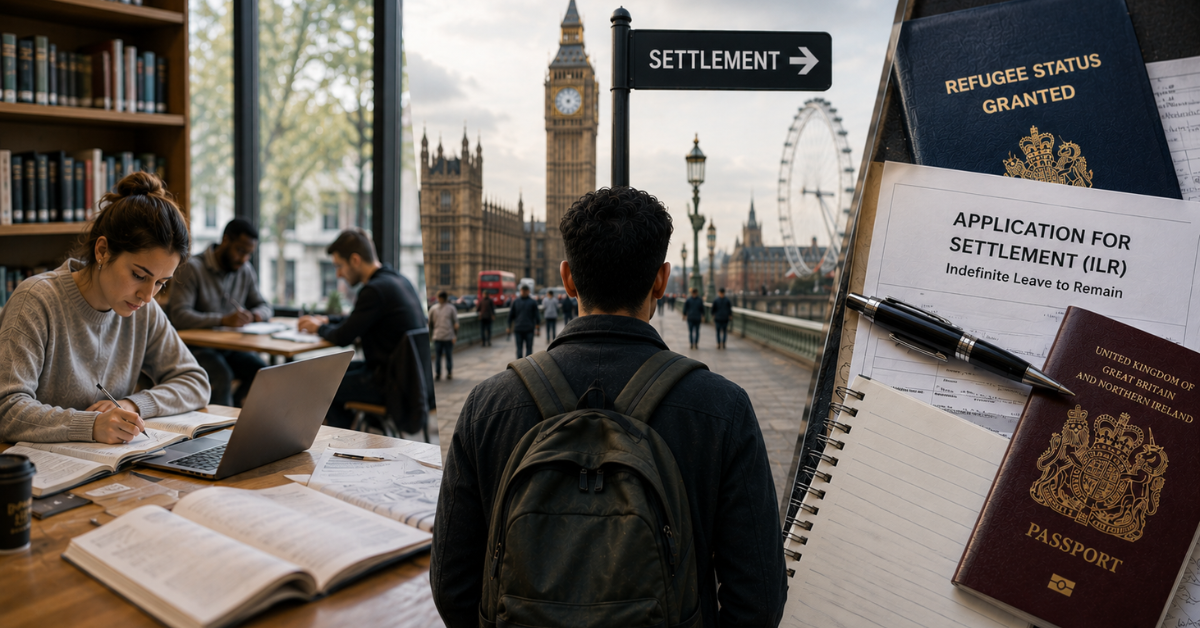
The Government has confirmed that refugees arriving through the reopened UK Resettlement Scheme will be placed on a five-year pathway to permanent settlement.

Under the announced arrangements, refugees will initially receive five years' permission to stay, with the possibility of obtaining permanent settlement thereafter, subject to the applicable requirements.

As the UK Government continues to consider its proposed Earned Settlement reforms, this represents an important distinction between refugees arriving through approved resettlement routes and those who arrive via clandestine means.

However, the full implications of these proposals will become clearer as further policy details are published.


What other refugee sponsorship routes are being introduced?

Alongside the reopening of the UKRS, the Home Secretary confirmed plans to introduce three separate refugee sponsorship routes involving community organisations, universities and employers.

These include:

  • Community sponsorship: Allowing approved community groups and organisations to support the resettlement and integration of refugees.
  • Refugee study route: Enabling universities to sponsor eligible refugees to study in the UK.
  • Refugee work route: Allowing employers to sponsor eligible refugees through a dedicated work route.

These are separate initiatives from the UK Resettlement Scheme, with their own eligibility requirements and implementation timetables.

Further details about the reopened scheme and the proposed sponsorship routes can be found in the House of Commons Library briefing.


Why seek legal advice?


Although immigration solicitors cannot submit applications or arrange direct referrals under the UK Resettlement Scheme, legal advice may still be helpful in understanding the scheme's general requirements and how the developing arrangements may affect individual circumstances.

At Paragon Law, our Asylum and Human Rights team can provide general advice on the available immigration and protection routes and signpost individuals towards relevant official guidance and support organisations.

As further details of the scheme become available, we will continue to monitor developments.

For advice on UK asylum and immigration matters, contact our specialist team.


Contact Us


🛑 The law applicable in this article is correct as of 4 November 2026. Immigration rules frequently change, and the information here may not reflect the latest legal position. For advice tailored to your specific circumstances, please contact us to arrange a consultation with our legal team.

Share this article

Subscribe for updates

Question marks in bubbles-1

Got a question about the Electronic Travel Authorisation (ETA)?

If you would like to know more about the Electronic Travel Authorisation (ETA), then get in touch with us today to speak to an expert immigration lawyer.

Contact Us
Protection Work and Study Visa Route: Can Refugees Qualify for Earlier Settlement?

Protection Work and Study Visa Route: Can Refugees Qualify for Earlier Settlement?

Could refugees qualify for settlement sooner under the UK’s proposed Protection Work and Study route? Learn how the new route may affect refugee settlement pathways.
Clock icon 5 min read