Reduction in Initial Grant of Refugee Status
Under the current system, successful asylum applicants are typically granted five years’ refugee leave before becoming eligible to apply for settlement.
Under the newly announced reforms:
At the time of writing, reports indicate that the changes will not apply retrospectively. Applicants with pending claims lodged before 2 March 2026 are expected to remain under the existing five-year framework if successful. Further confirmation is anticipated in a forthcoming Statement of Changes to the Immigration Rules.
What Happens After 30 Months?
The introduction of 30 month refugee leave creates a recurring review cycle.
At the end of each 30-month period, refugee status will be reassessed. Continued leave will depend on whether:
This shorter grant period is likely to increase evidential and compliance requirements at renewal stage.
Core Protection Route and “Earned Settlement”
The reforms appear linked to the Government’s consultation on “earned settlement”.
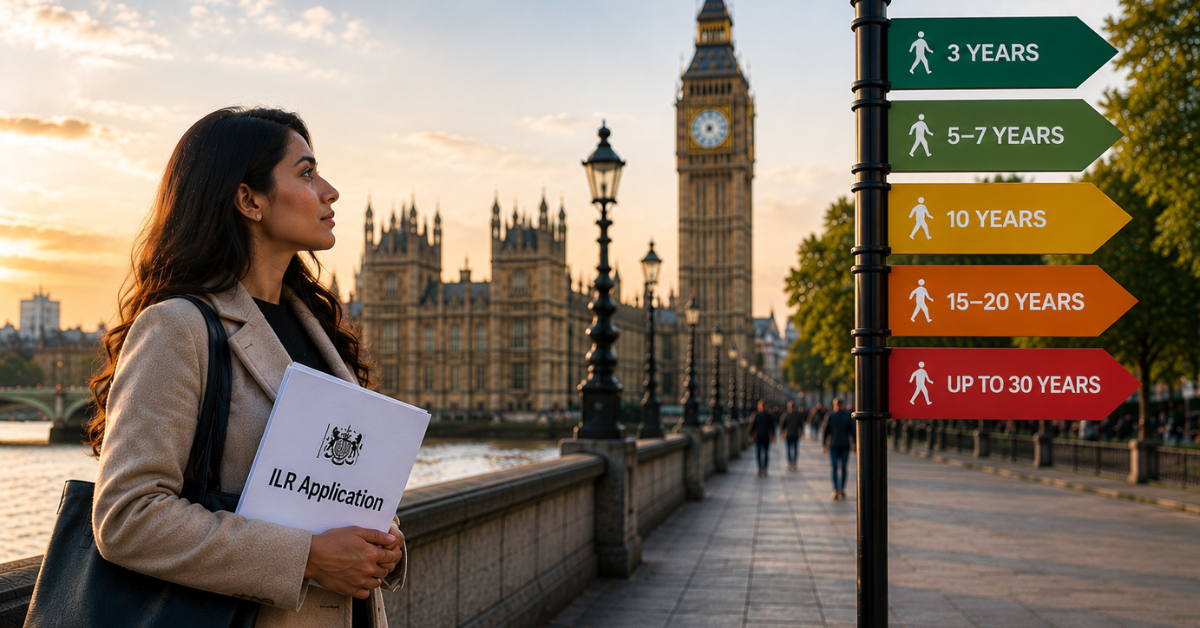
Indications suggest that individuals granted refugee leave under the new system may fall within a proposed “core protection” route. Under current proposals, settlement may not be available until 20 years of lawful residence have been completed, unless the individual switches into an alternative immigration route such as a work or study category.
If implemented in this form, this would mark a significant departure from the existing five-year pathway to settlement.
Full policy details remain pending.
Unaccompanied Children and Age Assessments
Unaccompanied children are expected to continue receiving five years’ leave under the existing framework.
However, the Home Secretary has indicated that age assessments may become more frequent and subject to enhanced scrutiny. The potential use of artificial intelligence within age assessment processes has been referenced, although operational guidance has not yet been published.
Questions remain regarding safeguarding mechanisms, consent processes and procedural fairness.
Key Areas Awaiting Clarification
As well as the ongoing consultation regarding settlement, some of the changes from today’s announcement that are still yet to be clarified include:
- The detailed requirements of the proposed “core protection” route
-
The framework for switching into work or study routes as alternative routes to “core protection”
-
Proposed reforms to the appeals system, already scheduled to take place in the form of a new Bill expected in May
- Potential changes to refugee family reunion rules, widely expected to echo those in place for those applying under Appendix FM family visa routes
These developments could significantly affect long-term stability for refugee families in the UK.
What These Changes Mean in Practice
If the new 30 month refugee leave system is implemented as indicated, the reforms introduce a more conditional, review-based protection model.
Refugees may face:
Strategic immigration advice is likely to become increasingly important in navigating renewals, appeals and long-term planning.
FAQs: UK Refugee Protection Changes 2026
Question: Will the 30 month refugee leave apply retrospectively?
Answer: Current reports suggest the changes will not apply retrospectively. Applicants with pending claims lodged before 2 March 2026 are expected to receive five years’ leave if successful.
Question: Will refugees still qualify for settlement in the UK?
Answer: Settlement may still be possible. However, proposals indicate that individuals on the core protection route may need to complete up to 20 years before qualifying, unless switching into another immigration category.
Question: What is the core protection route?
Answer: The core protection route is expected to be the new long-term framework governing refugee leave renewals and eventual settlement. Full policy details have not yet been published.







%20(1).png)