How UK Visa Processing Times Are Calculated
Many applicants assume that their application begins processing as soon as they submit the online form. However, this is not always the case. The standard processing time for a visa application depends on both the visa category and whether the application is made inside or outside the UK.
Applications Made Outside the UK
For applications submitted overseas, UKVI will generally begin processing the application once the applicant has:
-
Attended a Visa Application Centre (VAC) and provided biometric information (fingerprints and photographs), or
-
Verified their identity and submitted supporting documents through the relevant UKVI app.
Applications Made Inside the UK
For applications submitted from within the UK, processing generally begins once the applicant has:
-
Attended a UK Visa and Citizenship Application Services (UKVCAS) appointment, or
-
Visited a Service and Support Centre to provide biometric information where required.
In both cases, processing time ends when a formal decision is made and the applicant is notified by email or letter.
Current UK Visa Processing Times
The Home Office regularly updates visa processing information on GOV.UK, so applicants should always check the latest published guidance before submitting an application.
The following are the standard processing times for some of the most common visa routes.
Visitor Visas
Most Standard Visitor Visa applications are processed within 3 weeks of attending the biometric appointment.
Student Visas
Student visa applications are generally processed within:
Work Visas
Most work visa applications are typically processed within:
Family Visas
Family visa applications often take longer due to a number of considerations, for example, an application may carry several dependants alongside the main applicant.
Typical processing times are:
Applications that rely on human rights considerations and fall outside the standard Immigration Rules do not have a formal service standard. These applications can currently take significantly longer, with decisions often taking around 12 months.
Settlement and Nationality Applications
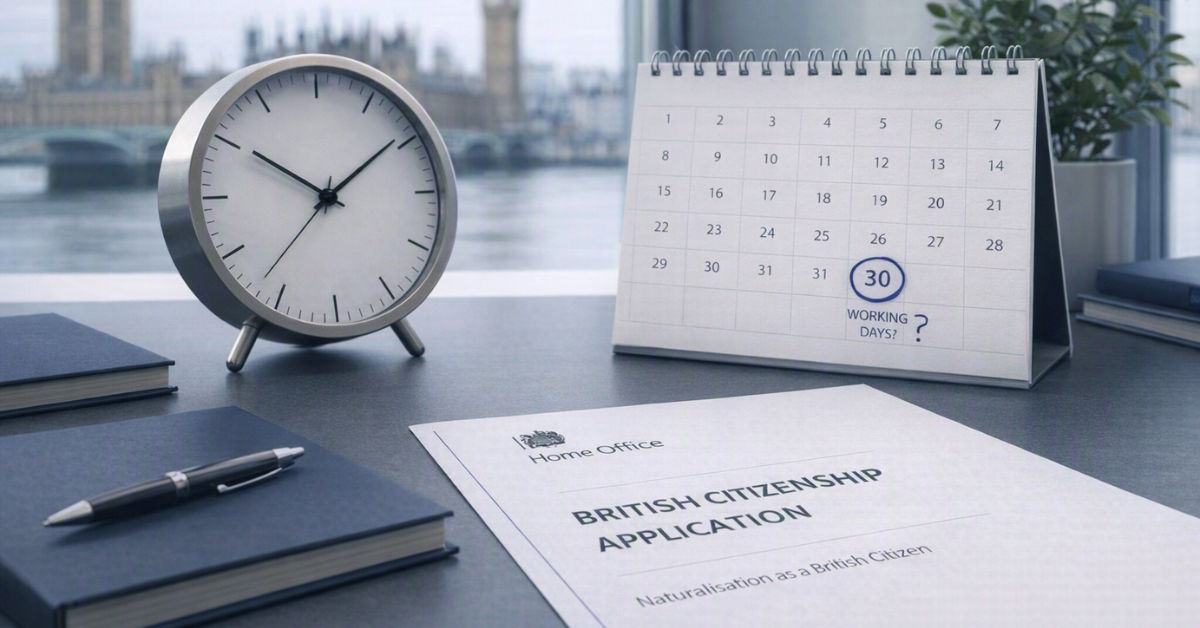
Nationality applications and most settlement applications can only be submitted from within the UK. The main exception is the Returning Resident route.
Current service standards are:
-
Six months for British citizenship applications.
-
Six months for most settlement applications, including many Indefinite Leave to Remain applications.
-
Three weeks for Returning Resident applications.
Why Do Some Visa Applications Take Longer Than Others?
Although UKVI publishes target processing times, not every application follows the same path. Visa applications can be delayed for a variety of reasons.
1. Missing or Incorrect Supporting Documents
One of the most common causes of delay is the submission of incomplete, inaccurate or unsuitable supporting documentation. UKVI may request further information before a decision can be made. This inevitably extends the processing period.
2. Complex Cases
Applications may take longer where there are:
-
Human rights considerations
-
Concerns over an applicant’s character such as criminal convictions
-
Poor immigration history
-
The need to interview applicants
-
Complex personal circumstances
These factors may require further review before a decision can be reached.
3. Additional Security and Background Checks
Settlement and nationality applications typically involve more thorough background checks, which can increase processing times.
4. High Application Volumes
Application volumes fluctuate throughout the year. Periods that commonly experience higher demand include:
-
Peak holiday periods
-
Academic term dates
Higher application volumes can affect overall processing times.
Priority and Super Priority Services
For certain visa routes, applicants may be able to pay for faster decision-making services.
Availability varies depending on the visa category and application location.
Priority Service
The Priority Service generally aims to provide a decision within:
Additional cost: £500 per applicant.
Super Priority Service
The Super Priority Service generally aims to provide a decision by:
Additional cost: £1,000 per applicant.
Important Considerations
Priority services do not increase the likelihood of a successful outcome. Applicants must still satisfy all eligibility requirements and provide all necessary supporting evidence. If UKVI requests additional information after submission, the additional priority fee is not automatically refunded.
How to Avoid Visa Processing Delays
While applicants cannot control every aspect of the Home Office's decision-making process, there are practical steps that may help reduce delays.
1. Submit a Complete Application
Carefully review the application before submission to ensure all questions have been answered correctly and all required documents have been provided.
2. Provide Clear Supporting Evidence
Documents should be:
3. Book and Attend Biometric Appointments Promptly
Because processing generally begins after biometric information has been provided, attending appointments as early as possible can help avoid unnecessary delays.
4. Plan Ahead
Applicants should leave sufficient time before:
Submitting early can reduce stress and avoid last-minute complications.
5. Avoid Travel While Awaiting a Decision
Applicants who submit an immigration application from within the UK should avoid travelling outside the Common Travel Area while awaiting a decision. Doing so can result in the application being treated as withdrawn, potentially creating additional complications and expense.
Obtaining tailored immigration advice before making travel arrangements can help avoid costly mistakes.
Frequently Asked Questions
How long does a UK Visitor Visa take?
Most Standard Visitor Visa applications are processed within three weeks after attending a biometric appointment.
When does UKVI start processing my application?
Processing generally begins once biometric information has been submitted or identity verification has been completed through the relevant UKVI process.
Why is my visa application taking longer than expected?
Delays can occur because of missing documents, complex circumstances, background checks, requests for further information or high application volumes.
Can I pay to get a faster visa decision?
Some applicants may be eligible for Priority or Super Priority services, depending on the visa category and location of application.
Does Priority Service guarantee approval?
No. Priority services only aim to speed up the decision-making process. Applicants must still meet all eligibility requirements.
Can I travel while waiting for a visa decision?
If you submit an application from within the UK, travelling outside the Common Travel Area before a decision is made may result in the application being treated as withdrawn.




 4 min read



 10 min read